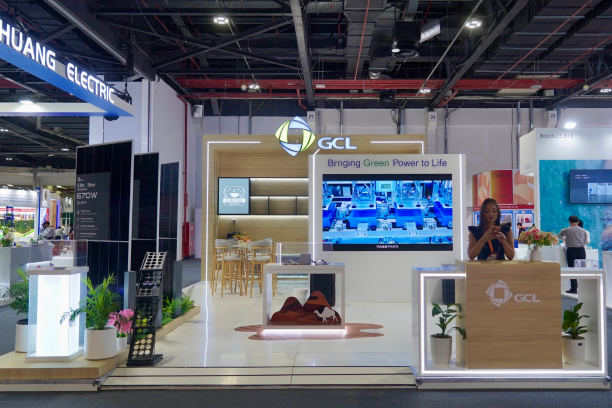



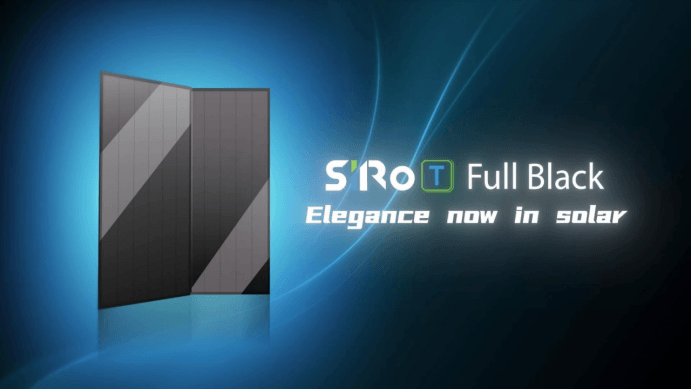
GCL SI has positioned BC technology as a core strategic pillar, highlighting its next-generation GPC 3.0 full-screen all-black module to address rising demand for high-efficiency, aesthetically driven solutions in the distributed solar market.
As China’s solar sector faces mounting efficiency bottlenecks and increasingly diverse end-market demands, GCL System Integration (GCL SI) has formally designated back-contact (BC) cell technology as a primary development pathway. The company’s GPC 3.0 product planning was first disclosed in a recent company profile, positioning the technology as a key upgrade for premium distributed applications.
According to GCL SI, the shift to BC technology stems from both the diversification of market needs and the company's accumulated expertise in passivation and contact techniques. "BC is the ultimate architecture for crystalline silicon cells,” said GengWeng Huang, Executive Dean of GCL SI’s Cell Research Division. “We've already explored TOPCon and HJT extensively, but both are reaching their physical limits. BC opens a broader window for future efficiency gains.”
Technical Depth Behind GPC 3.0
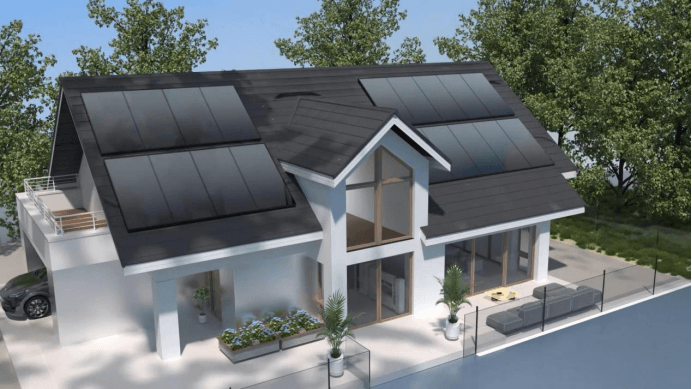
GCL’s GPC (Graphical Precise-doping Passivation Contact) product line represents its flagship development on the BC track. With GPC 3.0, GCL SI is targeting the premium distributed segment—where “full-screen all-black aesthetics + higher energy yield + stronger reliability” are increasingly valued across residential rooftops, C&I rooftops, and BIPV-style use cases. In its latest disclosures, the company describes GPC 3.0 as a BC-based, high-efficiency “full-screen all-black” module designed to deliver higher value under real-world rooftop conditions.
During the ongoing Intersolar Europe exhibition, GCL SI officially launched its GPC 3.0 module portfolio, marking the platform’s transition from technology roadmap to market-ready product. For its regular GPC 3.0 residential modules, the company offers an output of up to 500 W, with module efficiencies of 23.52% to 24.74%, in a 1,800 × 1,134 × 30 mm format. The modules are supported by a 30-year linear power warranty with an annual degradation rate of 0.35%, as well as a 30-year product warranty. Building on this foundation, GCL SI positions GPC 3.0 as a further step forward in both efficiency and long-term reliability for premium distributed solar applications.
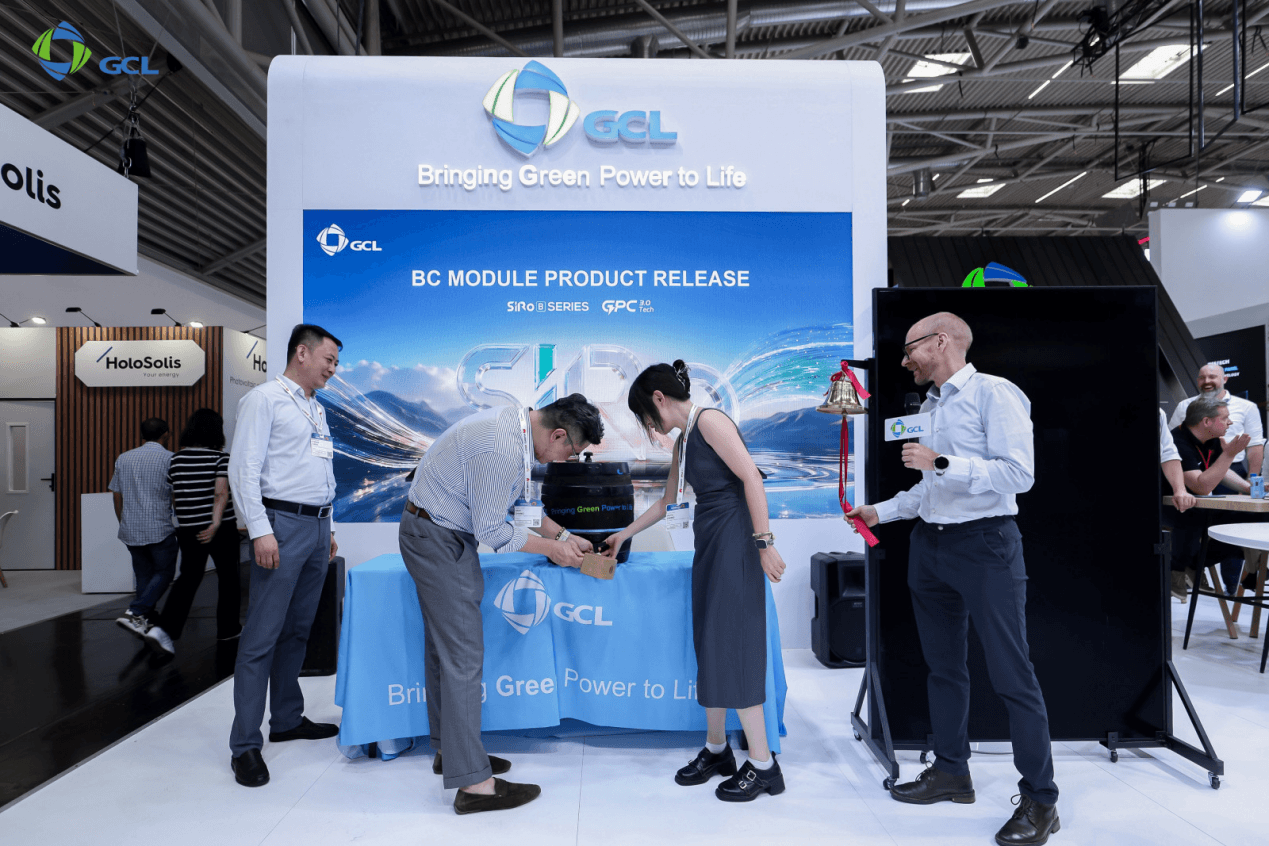
Based on the company’s official description, GPC 3.0 integrates a set of upgraded technologies—including MAX design, advanced passivation, multi-layer gradient dielectric films, GPC metallization, and FBR granular silicon—to improve module efficiency, durability, and applicability across distributed scenarios.
The technology offers four core advantages:
1. Enhanced Light Harvesting and Aesthetics: GPC 3.0’s MAX-oriented “full-screen” design is positioned to minimize front-side visual interruption while expanding effective light-receiving area. Coupled with multi-layer gradient dielectric films, the platform targets stronger broadband anti-reflection behavior and improved energy yield in variable rooftop irradiance conditions.
2. Higher Conversion Headroom Through Passivation Upgrades: The company describes an “advanced passivation” upgrade path aimed at lowering surface recombination losses and improving voltage performance. In its manufacturing disclosures, GCL SI has stated that its mass-produced GPC cell average conversion efficiency has reached 28.38%, underscoring the company’s efficiency trajectory on the BC track.
3. Lower Non-Silicon Cost Potential via Metallization Innovation: GCL SI highlights “GPC metallization” as a key lever in the GPC 3.0 upgrade. Separately, the company notes continued progress in advanced metallization directions such as 0BB and other silver-reduction approaches, supporting the broader industry shift toward lower per-watt silver consumption and improved cost resilience.
4. Materials-Level Consistency and Sustainability with FBR Granular Silicon: By leveraging in-house FBR granular silicon, GCL SI aims to enhance materials uniformity and strengthen the platform’s sustainability profiles supporting both performance consistency and lower-carbon manufacturing narratives increasingly valued in international distributed markets.
On the reliability side, the GPC platform continues to emphasize long-term rooftop suitability—especially for premium distributed applications where aesthetics, durability, and lifecycle stability matter as much as nameplate performance.
Scaling Up BC Production
To scale up the technology, GCL SI is advancing BC industrialization roadmap with an additional 2 GW of GPC capacity on top of its existing BC production base.In June 2026, the Wuhu Municipal Ecology and Environment Bureau issued an approval letter for a 2 GW GPC mass-production retrofit project at GCL SI’s existing Wuhu facility which is expected to enter production soon.
In parallel, the company has disclosed efforts to increase production flexibility, enabling faster switching and better alignment between TOPCon and BC product demand—while continuing to optimize non-silicon costs and manufacturing efficiency.
Targeting the Distributed Solar Boom
Distributed solar remains one of the PV sector’s most durable growth engines. As rooftop markets mature, customers increasingly value visual integration, functional adaptation, and long-term durability—areas where BC architecture and “full-screen” design are strategically positioned to compete. In its latest reporting, GCL SI frames GPC 3.0 as a premium distributed solution focused on higher yield, stronger adaptability, and stable operation, with technology upgrades aimed at strengthening both efficiency and real-world resilience.
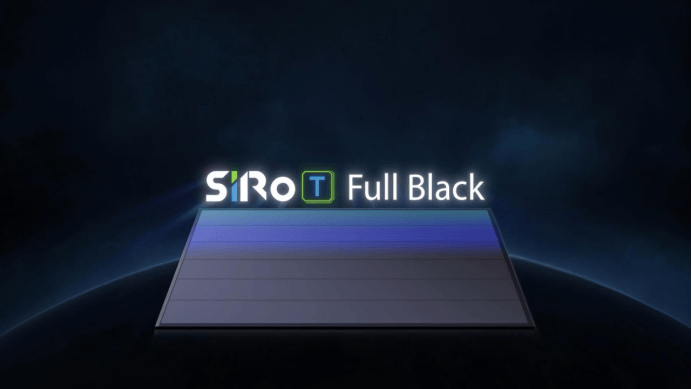
At the same time, the company continues to develop a broader differentiated product matrix—ranging from marine and desert-oriented modules to higher-voltage and specialty designs—reflecting a strategic view that distributed markets are increasingly segmented by application conditions and customer value priorities.
Advancing SiRo Carbon Data Platform 3.0
Beyond technology, GCL continues expanding its SiRo Carbon Data Platform into a comprehensive 3.0 framework. Building on earlier phases that established end-to-end carbon traceability and AI-driven footprint accounting, the initiative now targets full lifecycle evaluation from cradle-to-grave, supplier footprint coordination, integrated green certificate trading, and ESG digital certification. By embedding blockchain, AI and dynamic data monitoring, GCL aims to turn carbon management into tangible commercial value. Executives said the platform will empower global partners with integrated “technology + data + ecosystem” solutions, reinforcing GCL’s leadership in sustainable practices and accelerating progress toward net-zero goals.


.png)